
SAVE A PLANT
Everything deserves a comeback story.
Point your phone at a marked-down, neglected or dying plant. Find out what it is, whether it can come back, and exactly what to do in the next 48 hours.
Scan a plantSee how it works — two example rescuesOne plant. Two weeks. Much love.
A real golden pothos photographed in the same pot and on the same pole two weeks apart. It was already healthy — its caretaker moved it into better light and kept showing up, and it filled out noticeably. Not every rescue starts from the brink; this is what steady care looks like on a plant that is simply doing well.
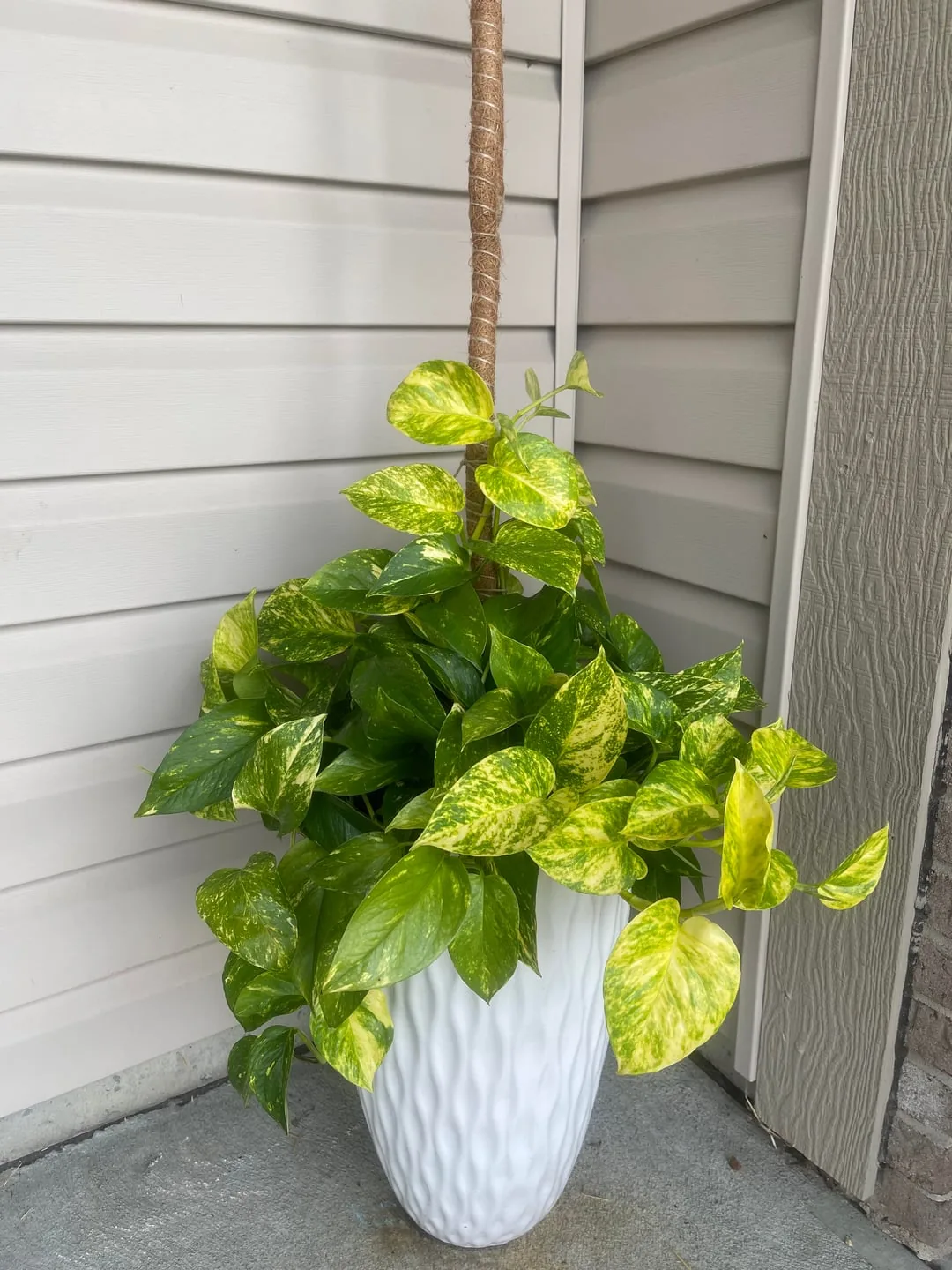
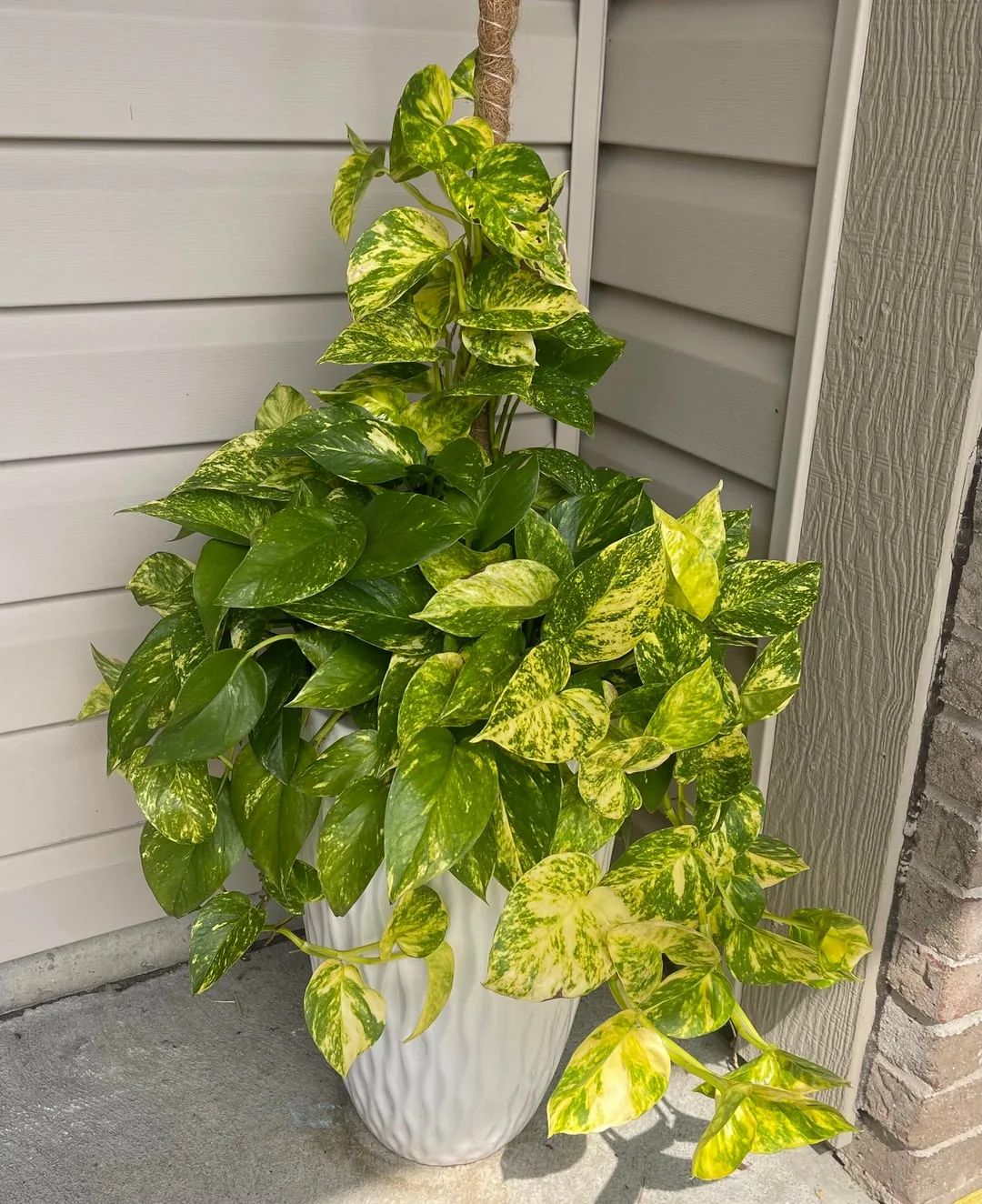
Makes a 1080×1350 card — both photos, days of care and the health change.
How the scan works
Take one photo
Whole plant, in daylight if you can. No account, no setup.
Get an honest read
Species, a real/artificial check, and a straight answer on whether it can be saved — with the confidence level shown.
Follow the 48-hour plan
Water, light and triage steps sized to that plant. Save it to your journal and we'll remind you.
Rather not photograph anything yet? Run a sample scan on an example plant.
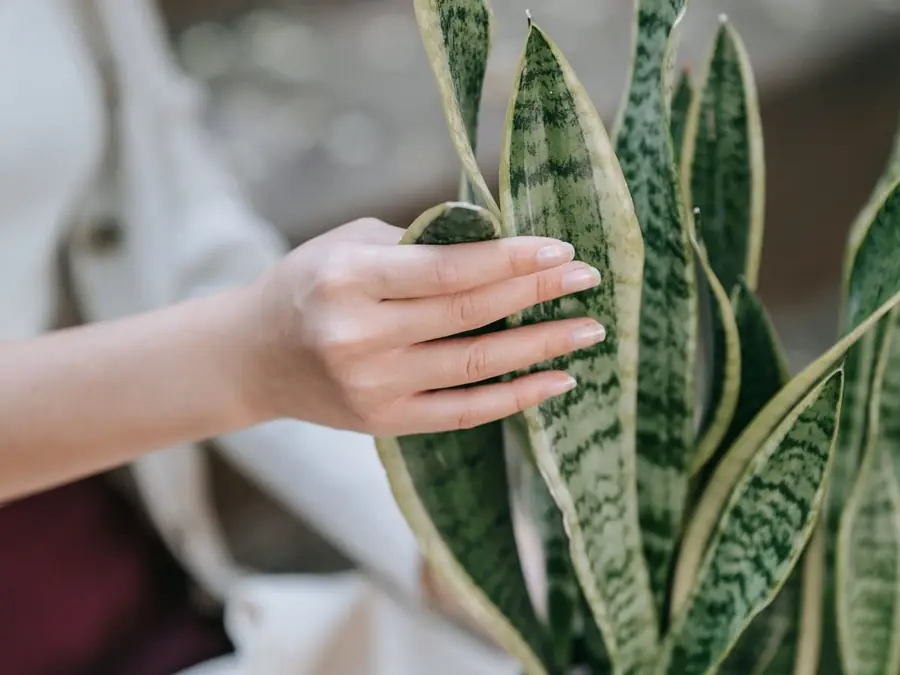
The plant recovers. So do you.
Pooled analyses of controlled trials find that regular, hands-in-soil plant care significantly reduces depression and anxiety symptoms — in ordinary community-dwelling adults, not just clinical patients.
Read the evidence
Most big-box stores mark plants down on a weekly cycle. Ask a garden associate which day — and what happens to the ones that don't sell.
The ask scriptHonest answers before you scan
The four-week rescue program
A step-by-step guide, a weekly care plan, and a free rescue kit by post.
Rescue stories
Real before-and-after photo pairs, dates, and how each plant turned around.
Rescue guide
Clearance-rack triage, the 48-hour intake protocol, and every common failure mode.
Horticultural therapy
What it is, who it helps, and how to start a practice with a single plant.
The science
Meta-analyses on plant care, depression and anxiety — with citations.
For workplaces
A low-cost, high-participation wellbeing program your team will actually join.